
MOBILE
SPECIALISTS
SINCE 2018
We design build ship maintain apps that run on both iOS and Android — built from a single codebase that doesn't compromise on native feel.
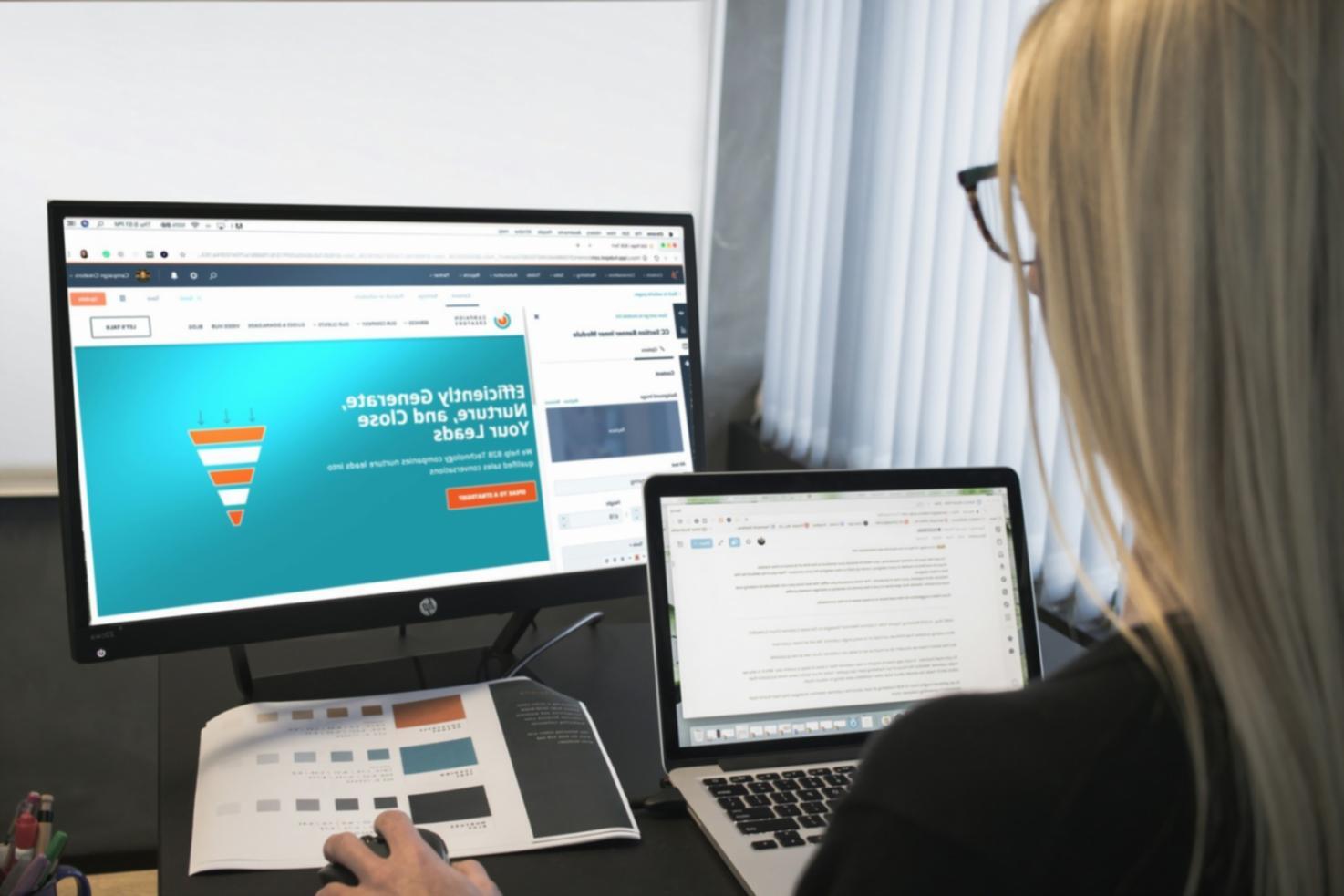
What actually happens when a client brings us a project
No handoffs between disconnected teams. One group carries the work from first wireframe to App Store approval.
Most mobile projects stall because design, development, and QA operate in separate silos. At Fesandolup, the same small group handles everything — which means when a design decision affects build complexity, someone in the room knows it immediately.
We work primarily with React Native and Swift for iOS-specific modules, supplemented by native Kotlin when Android performance requires it. The choice of stack gets made per project, not defaulted to whatever is easiest to staff.
Timelines are honest. A standard app — three to five core screens, authentication, and one external API — takes eight to twelve weeks from signed brief to first TestFlight build. More complex projects take longer; we say so upfront.
Technical focus areas
Industries we've shipped for



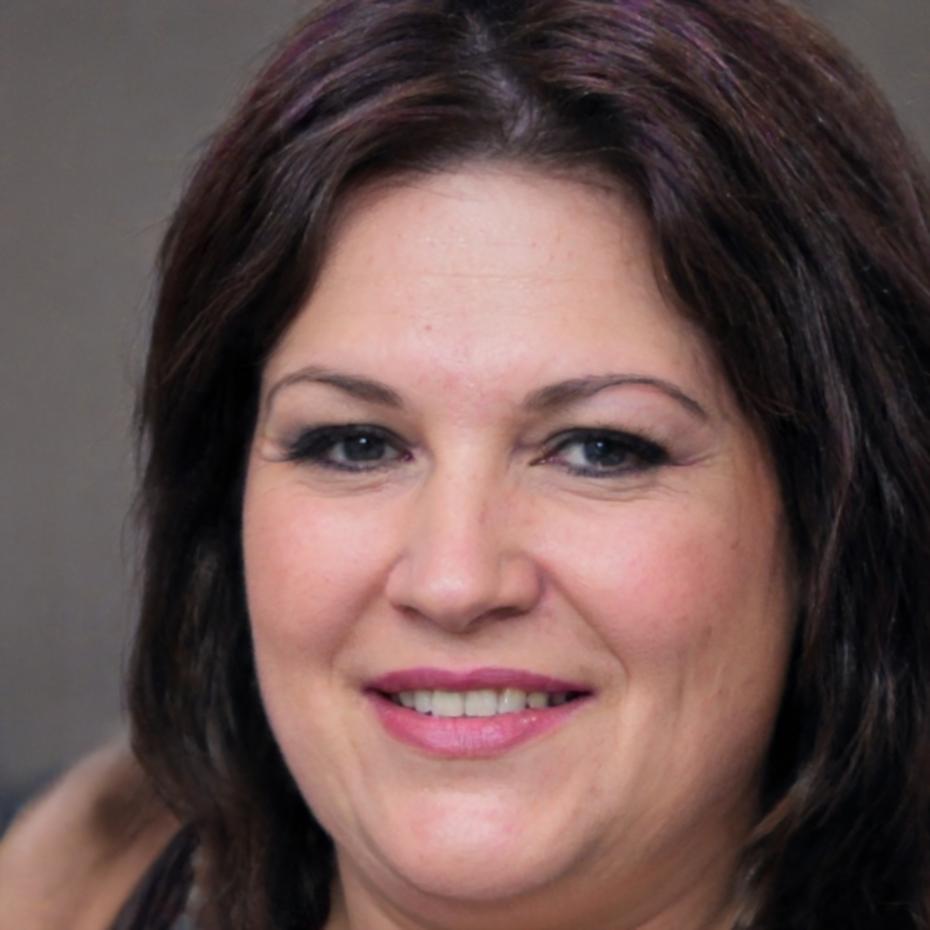
Petra Vasíčková
Lead Mobile ArchitectPetra oversees architecture decisions across all active projects. She introduced our cross-platform review process that reduced post-launch hotfixes by roughly a third compared to our earlier single-platform workflow.
What a first conversation looks like
We ask about the problem you're solving, not about features. Understanding who uses the app and how they'll interact with it shapes every technical decision we make afterward. You don't need a full brief to start — a rough description and a target audience is enough.